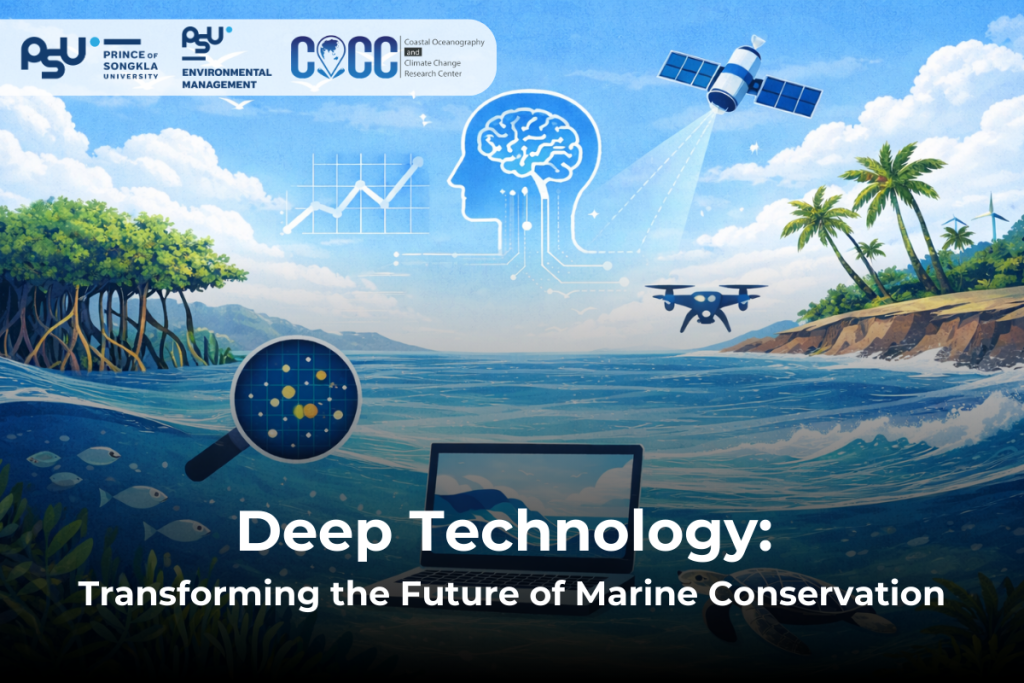
Deep Technology: Transforming the Future of Marine Conservation Advanced technologies such as AI and remote sensing are revolutionizing marine conservation, enabling faster and more precise responses to ocean challenges. They offer new hope for building a sustainable future for our seas. 19 March 2026
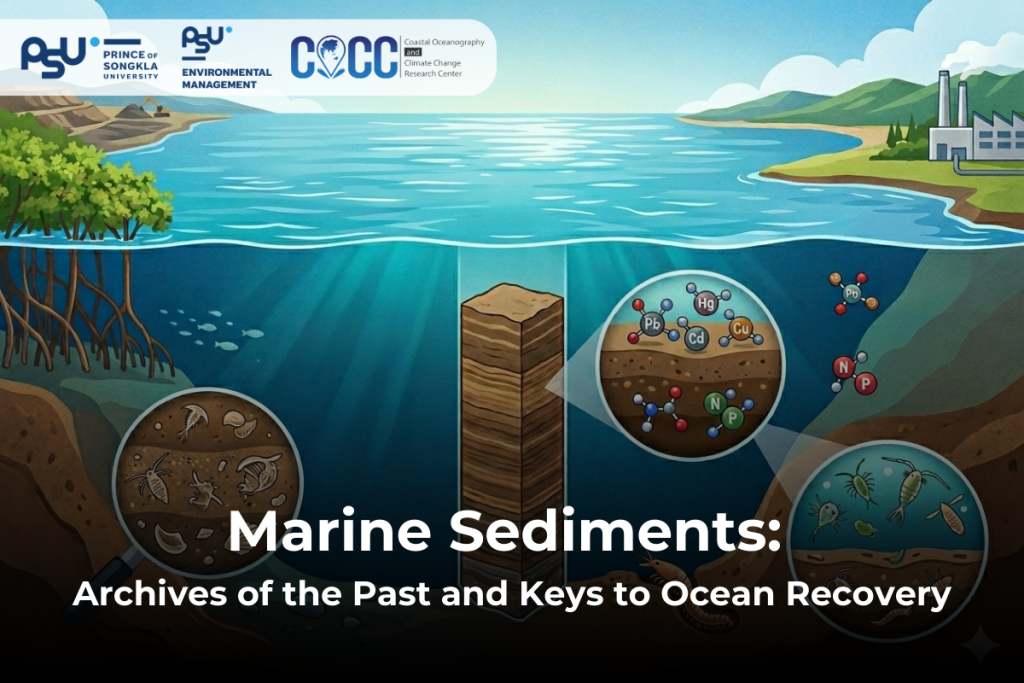
Marine Sediments: Archives of the Past and Keys to Ocean Recovery Marine sediments preserve Earth’s environmental history while acting as reservoirs of pollutants that can be released under changing conditions. Understanding them is key to effective ocean restoration and management 19 March 2026
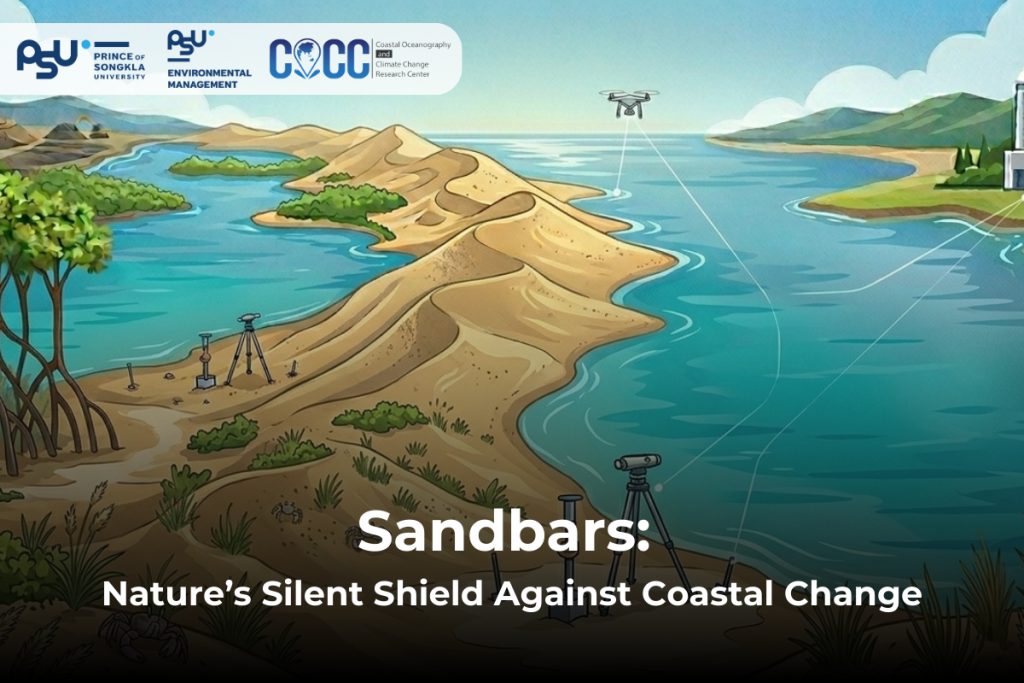
Sandbars: Nature’s Silent Shield Against Coastal Change Sandbars act as natural coastal defenses, absorbing wave energy while preserving vital ecosystems behind them. Their protection is essential to maintaining coastal resilience in the face of climate change. 19 March 2026
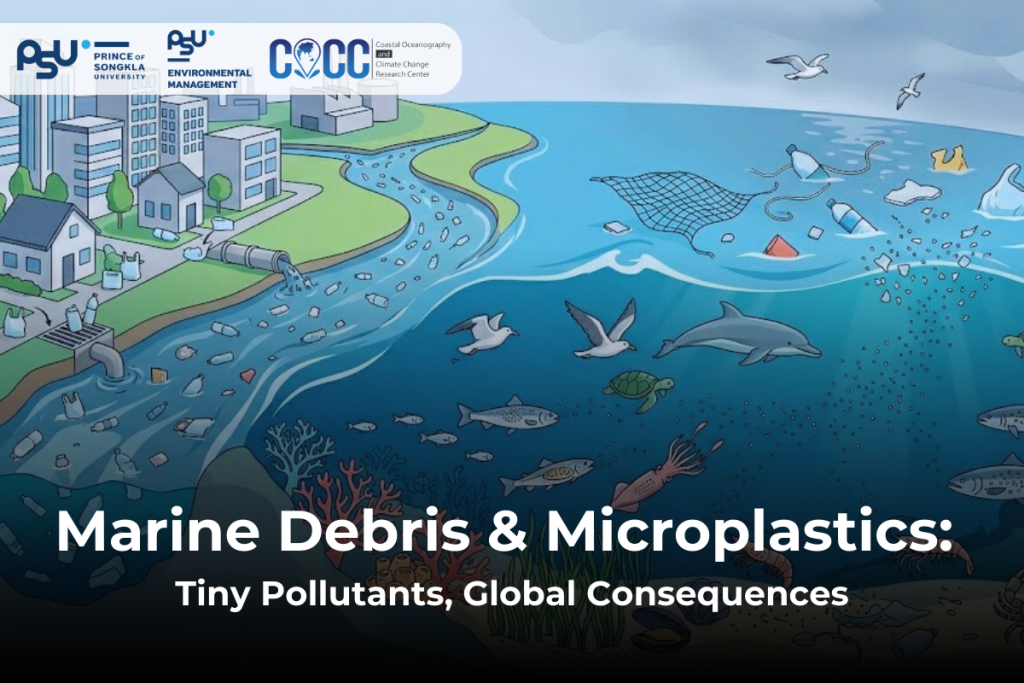
Marine Debris & Microplastics: Tiny Pollutants, Global Consequences Microplastics, formed from degraded plastic waste, are now pervasive in marine ecosystems and can enter the human food chain through seafood consumption. Reducing plastic use and improving waste management are critical to mitigating this global threat. 19 March 2026
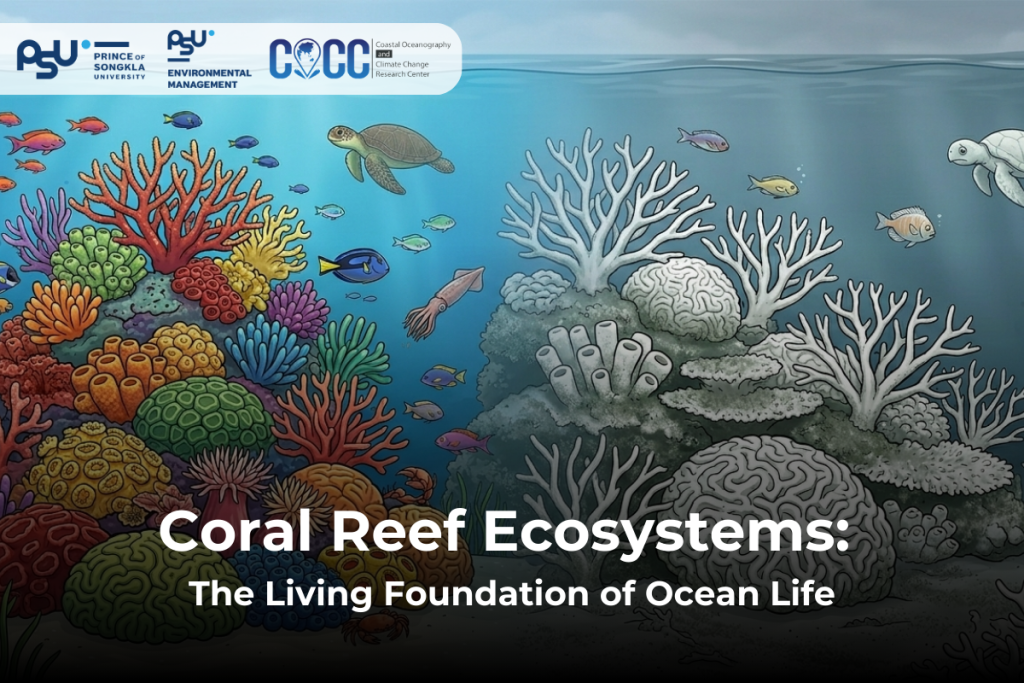
Coral Reef Ecosystems: The Living Foundation of Ocean Life Coral reefs, though covering less than 1% of the ocean, support over 25% of marine life and play a critical role in coastal protection. Their survival depends on our collective efforts to reduce climate impacts and protect marine ecosystems. 19 March 2026
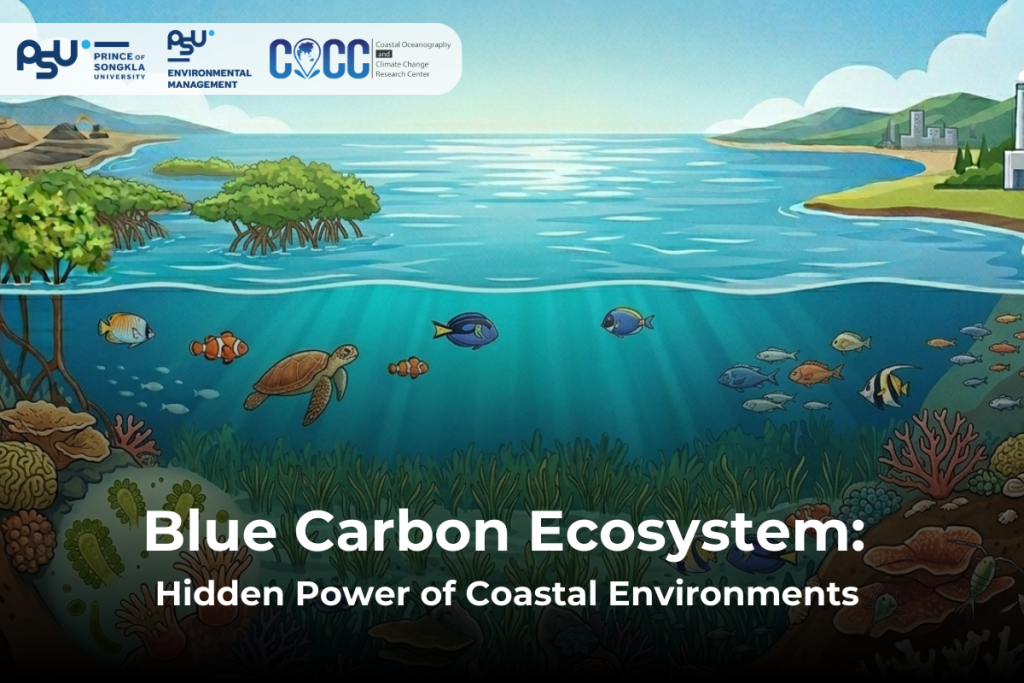
Blue Carbon Ecosystems: Hidden Power of Coastal Environments Blue Carbon ecosystems, such as mangroves and seagrass, are among the most efficient natural carbon sinks—storing up to 5–10 times more carbon than terrestrial forests. Protecting these coastal habitats is a vital nature-based solution to mitigate climate change and secure a sustainable future. 19 March 2026