Did you know that one of the most powerful solutions to the accelerating climate crisis may lie within coastal ecosystems we have long overlooked? “Blue Carbon” refers to the carbon captured and stored by coastal habitats such as mangroves and seagrass beds, which can sequester carbon at rates 5–10 times higher than terrestrial forests of the same area.
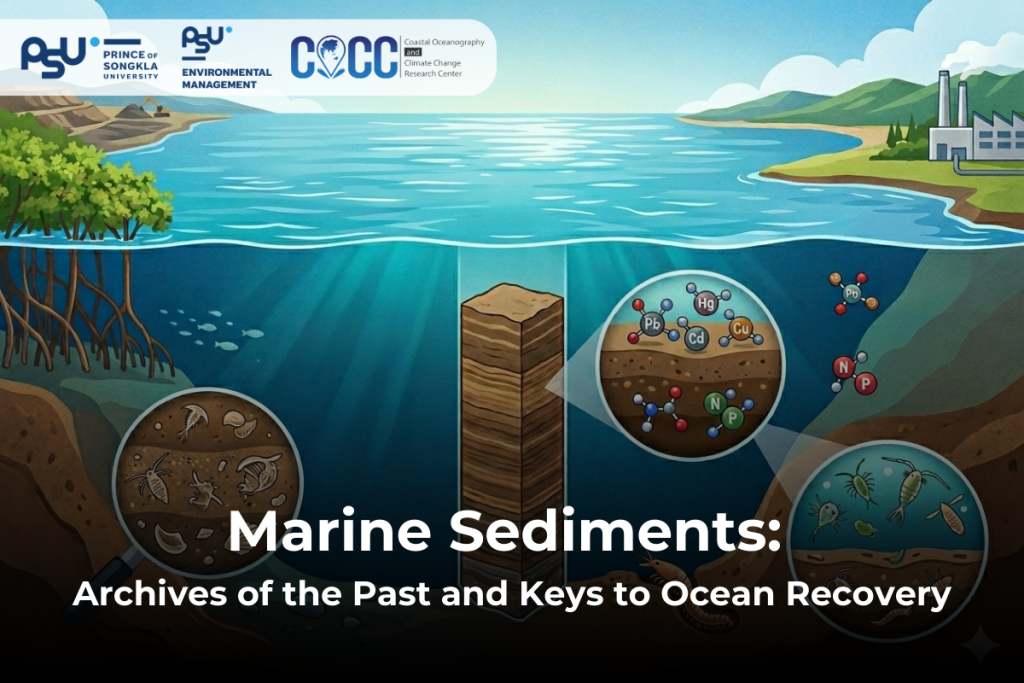
Beneath their roots lies a highly efficient natural carbon storage system, where greenhouse gases are not only absorbed by plants but also buried deep within sediments for hundreds to thousands of years.
However, these vital ecosystems—often described as the “lungs of the ocean”—are increasingly under threat. Their degradation does not only mean the loss of biodiversity, but also the release of vast amounts of stored carbon back into the atmosphere, further intensifying climate change.
Protecting and restoring Blue Carbon ecosystems is therefore not only a scientific priority, but a shared responsibility. It represents one of the most effective nature-based solutions to ensure a more balanced and sustainable future for generations to come.