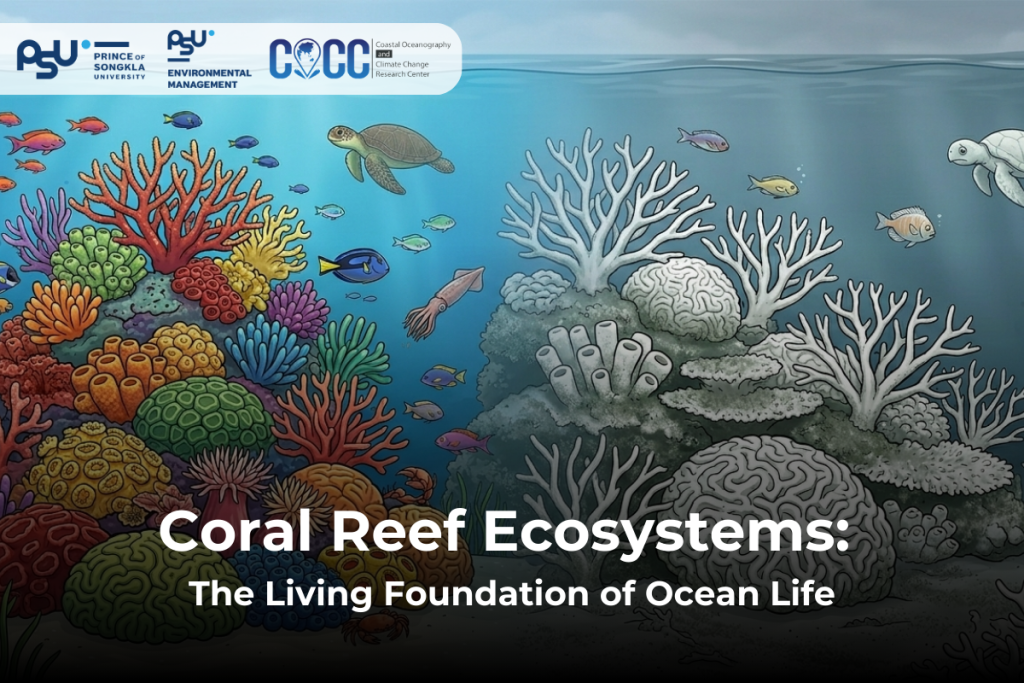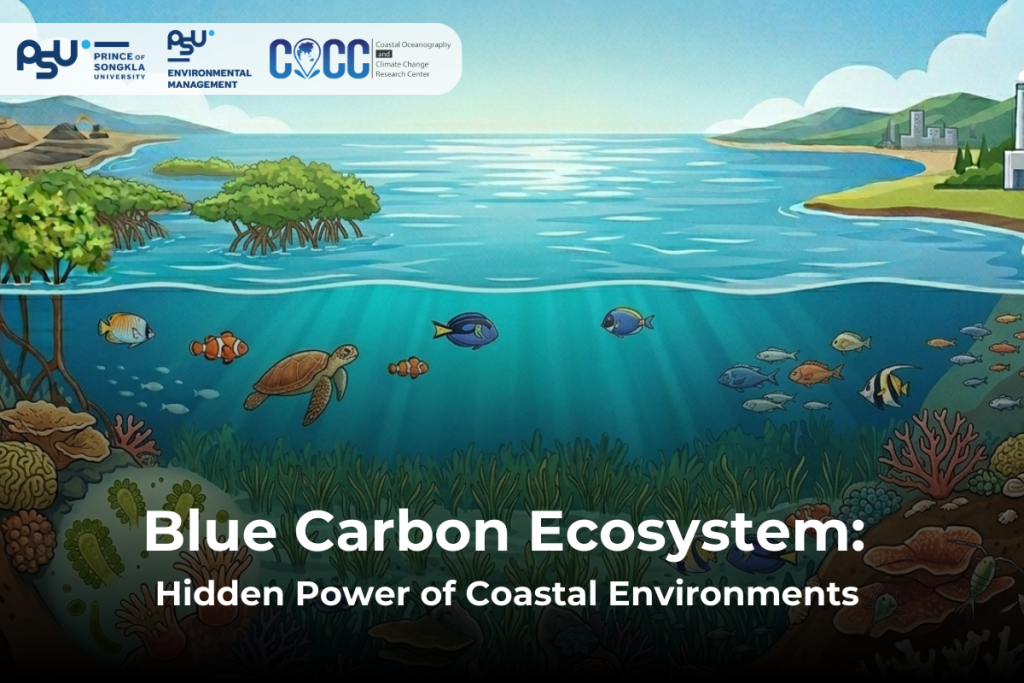
Coral reefs are not rocks or plants, but living structures built by tiny animals that form one of the most diverse ecosystems on Earth. Often called the “rainforests of the sea,” coral reefs cover less than 1% of the ocean, yet support more than 25% of all marine species. They serve as essential habitats, nurseries for juvenile organisms, sources of food, and natural barriers that protect coastlines from waves and storms.
However, these vital ecosystems are increasingly threatened by coral bleaching, a phenomenon driven by rising sea temperatures. Even a temperature increase of just 1–2°C can cause corals to become stressed and expel their symbiotic algae, losing both their color and primary source of energy.
Protecting coral reefs requires collective action. Simple steps—such as reducing energy consumption, choosing reef-safe sunscreen, minimizing single-use plastics, and practicing responsible tourism—can help preserve these ecosystems. Safeguarding coral reefs means protecting marine biodiversity and ensuring the resilience of coastal communities for future generations.