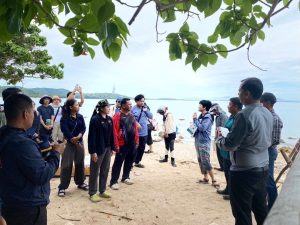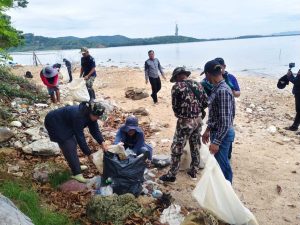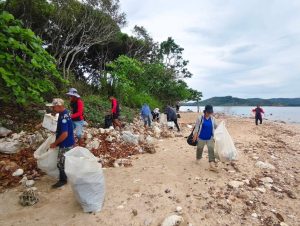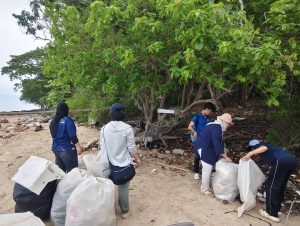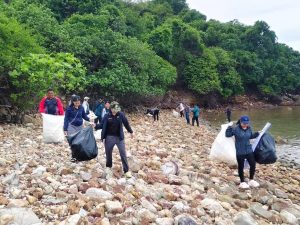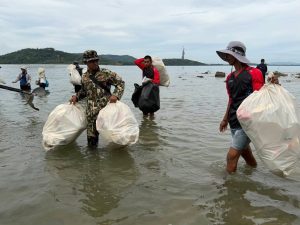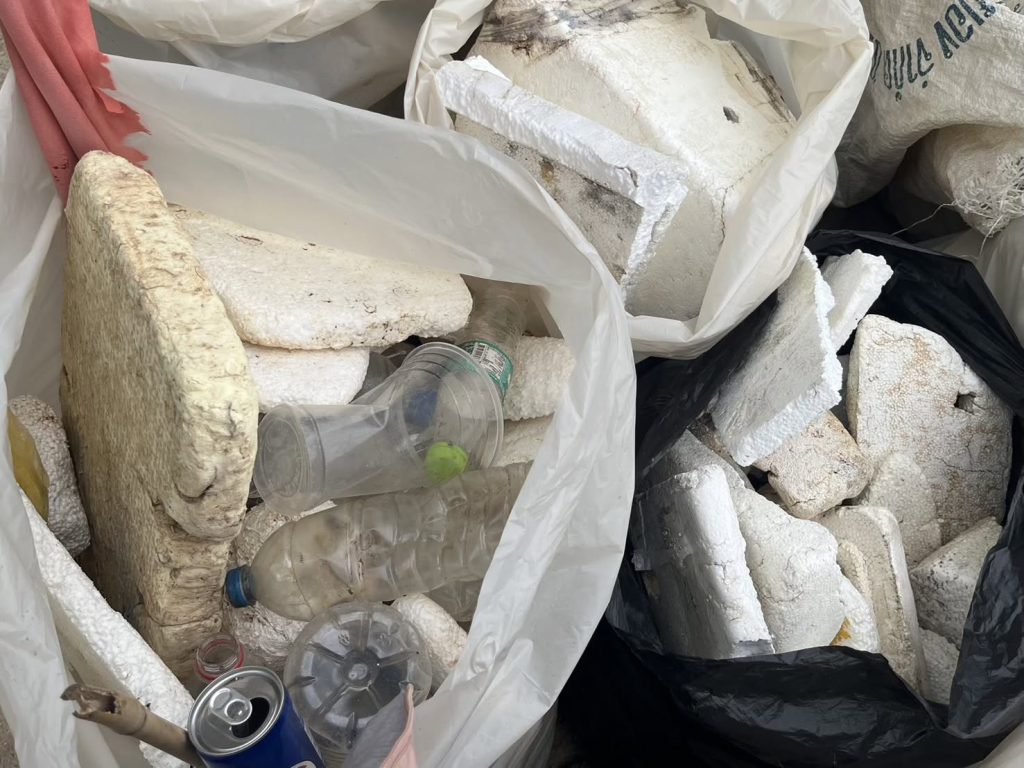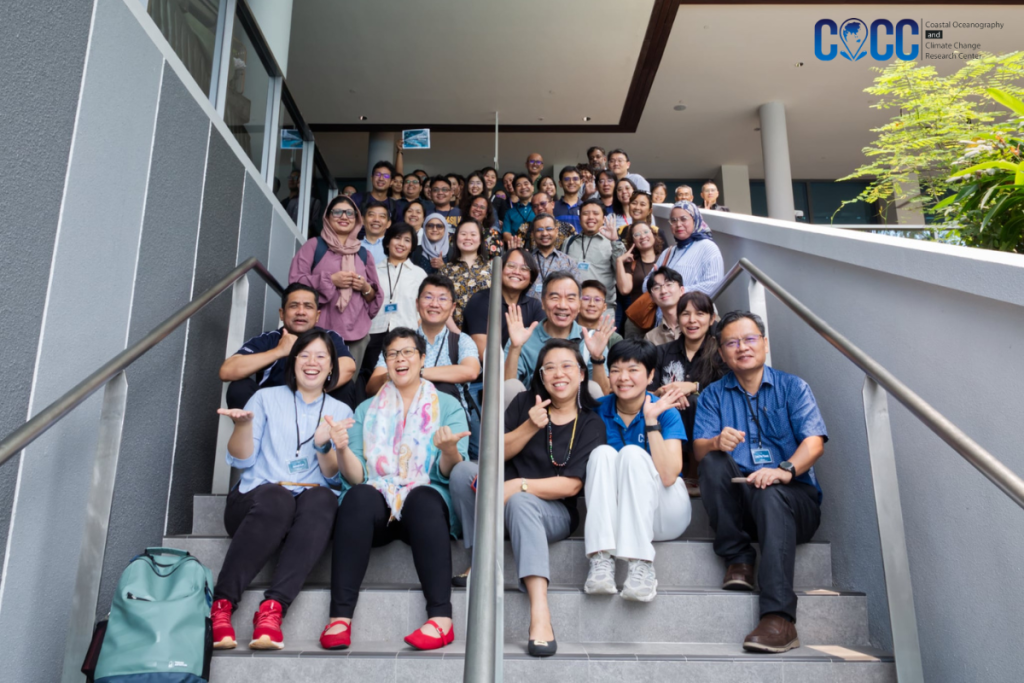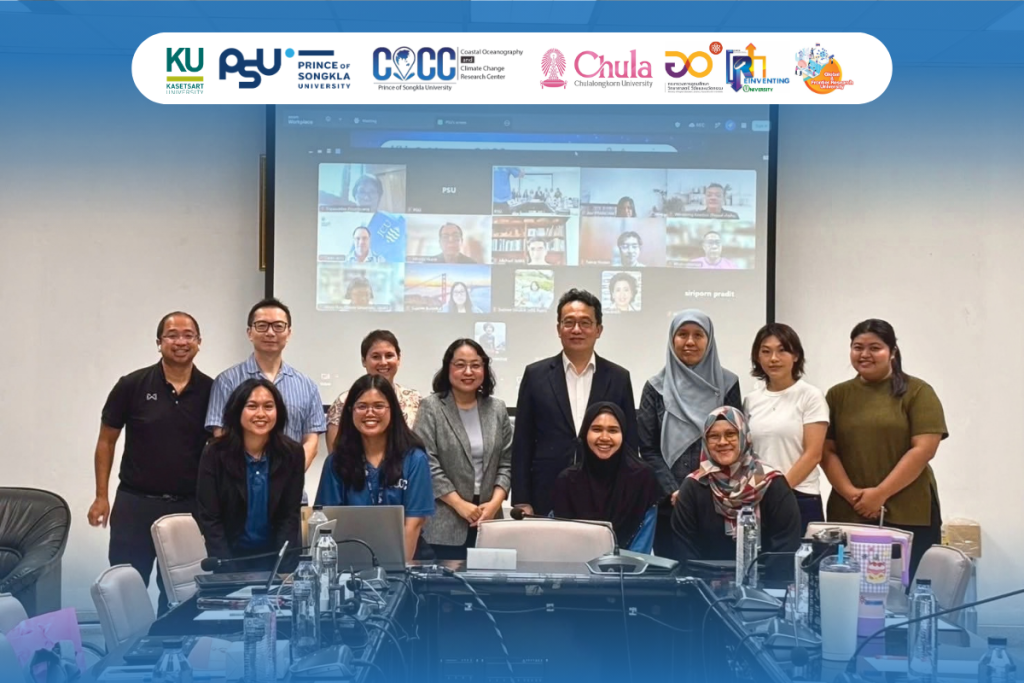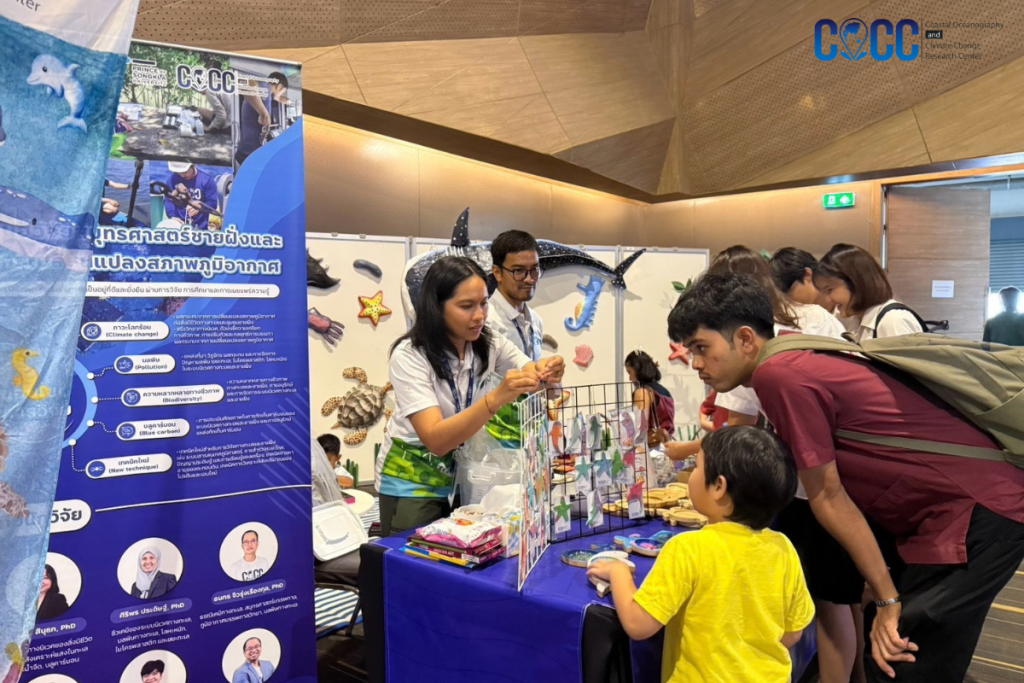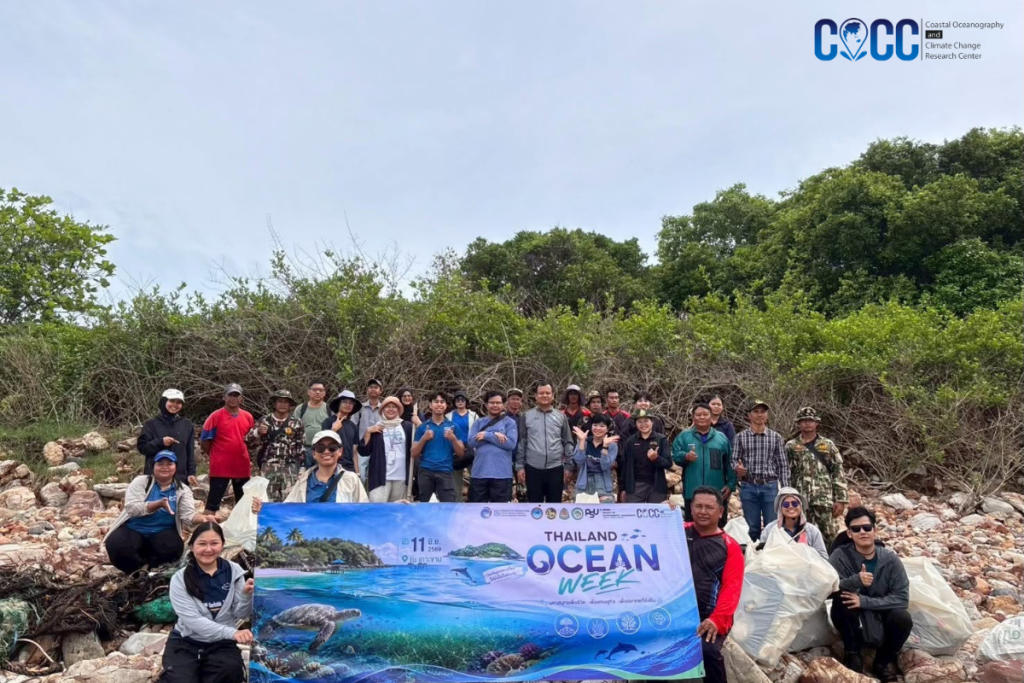
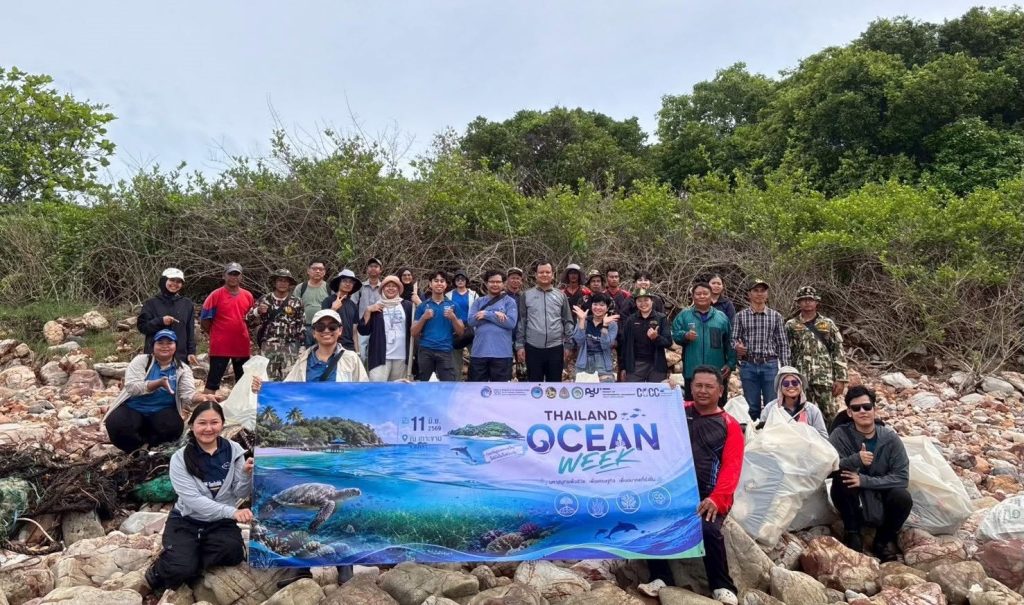
On 11 June 2026, Coastal Oceanography and Climate Change Research Center (COCC), in collaboration with the Khao Pa Chang–Laem Kham Non-Hunting Area and local conservation volunteers, organized a beach clean-up activity at Koh Kham Beach in Thepha District, Songkhla Province, as part of Thailand Ocean Week 2026.
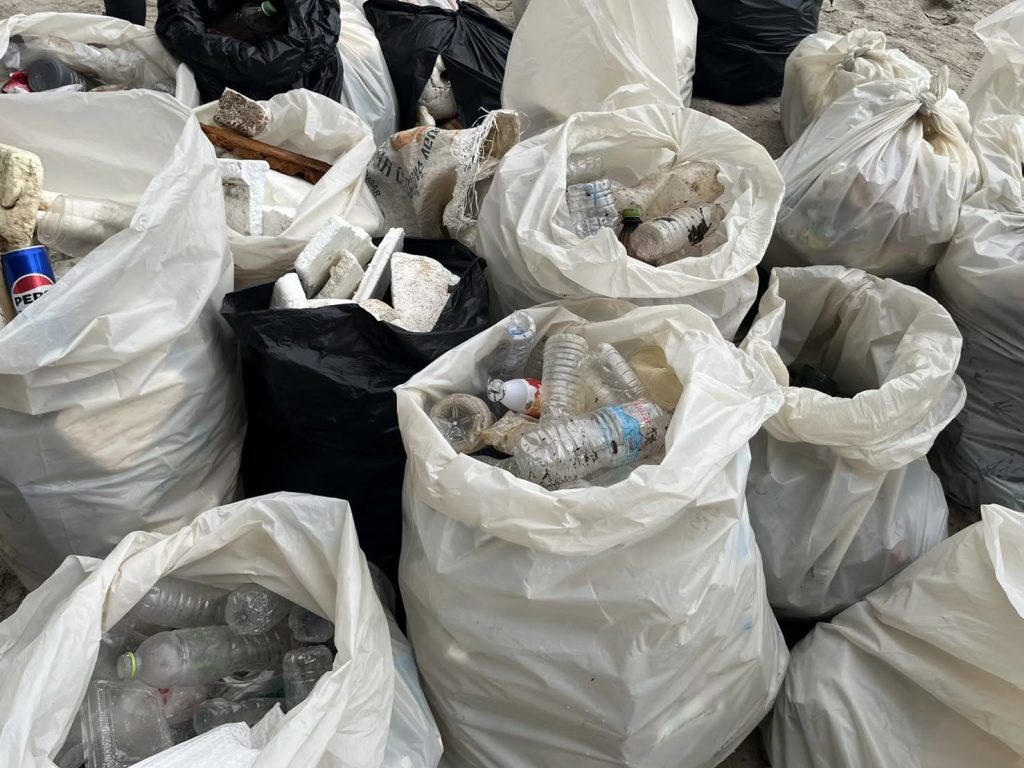
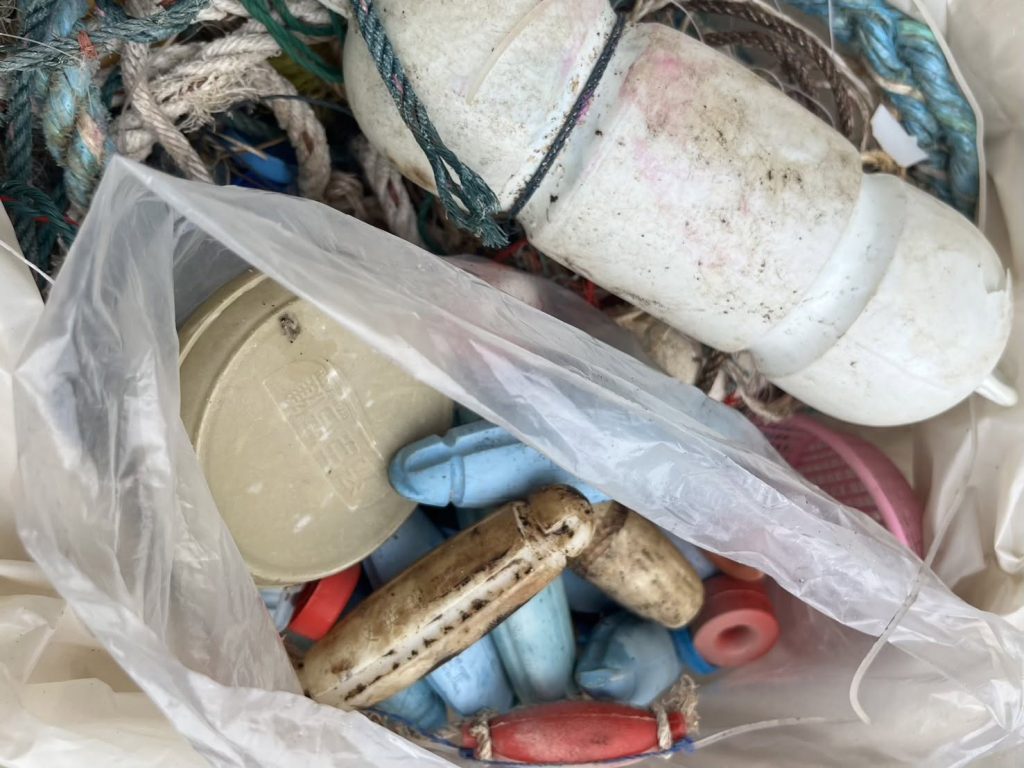
Working together along the coastline, participants collected a wide range of marine debris to help improve the condition of the beach and better understand the types of waste affecting coastal environments. The clean-up also served as an opportunity to raise awareness of the growing challenge of marine litter and its impact on marine ecosystems.